Rust Solo Survival Guide to Thriving Against Clans
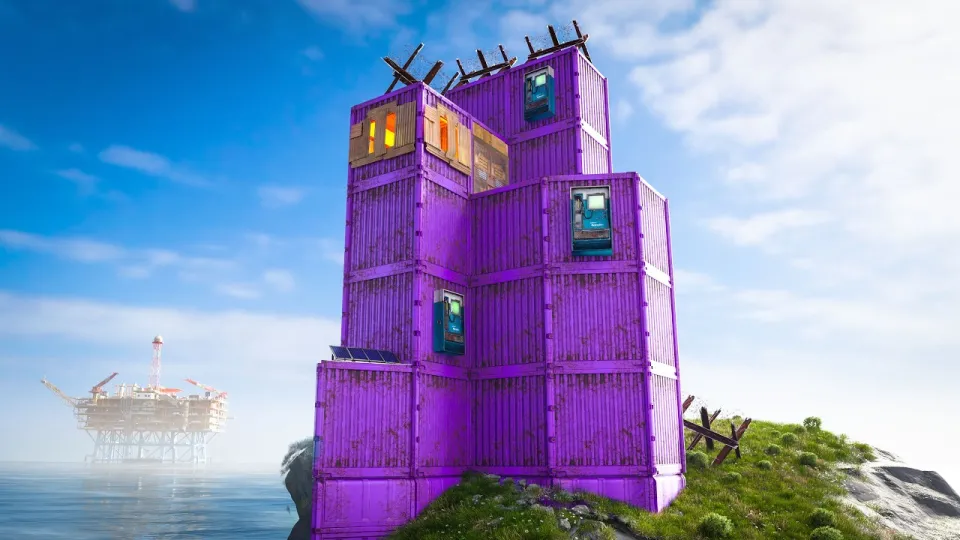
Video: A Solo's Will to Thrive V5 - Rust
You can order the same kind of articles for your own video to boost it on YouTube and Google. Just message the Telegram bot @sat_sit_bot. Articles with your video embedded are written and posted by the bot itself — on popular topical sites (no ads). Try it free: 50 articles on us.
Rust solo survival means building small, farming smart, and treating every fight as a fight you choose. The Oilrats solo series shows the full loop: a 2x1 starter on wipe day, Large Oilrig loot runs, and a defense against a six-player raid group that brought double M2s and a dedicated rocket PvPer. For players who want to support the channel, the Oilrats mousepad drop on Epicdesk is linked in every video description.
What a Rust solo wipe actually looks like
A solo wipe in Rust is a sequence of deliberate compromises: you trade map control for concealment, group numbers for timing, and raw farm for efficient routes. In the V5 entry of the series, the run starts from the same humble foundation the creator always uses, then escalates into contested monuments and a full raid defense.
The structure most solo runs follow looks like this:
- Land a starter base fast — a 2x1 with a bunker is enough for the first night.
- Farm scrap and components on low-traffic roads rather than fighting for the same nodes as clans.
- Convert early scrap into workbench progression and a reliable gun before chasing monuments.
- Push toward water monuments, where solo players can use boats and swim routes to avoid zerg patrols.
- Bank loot in a second, hidden base so one raid does not end the wipe.
The 2x1 start is not a meme; it is the cheapest structure that still supports a bunker, a furnace, and enough storage to survive the first 24 hours. Viewers regularly note that the creator never opens a wipe any other way, and that consistency is the point — a repeatable start removes decisions when time matters most.
Large Oilrig as a solo loot engine
Large Oilrig is the single most valuable solo objective on a vanilla map, and it is also the most contested. The compound rewards players who arrive with a boat, a diving kit, and a plan for leaving under fire rather than a plan for clearing every scientist.
Key considerations for a solo run on the rig:
- Approach by water and keep the boat positioned for an immediate exit.
- Clear heavy scientist groups in chokepoints instead of open catwalks where other players can third-party.
- Loot the locked crate only when you have an escape route; the noise draws every nearby group.
- Use the water below the rig as cover — swimming breaks line of sight and, in this series, even muffles the soundtrack for effect.
That underwater audio detail became one of the most-discussed moments in the edit: the music drops away as the character dives and returns on surfacing, a small production choice that makes water routes feel genuinely different from land fights.
Defending a solo base against a six-player raid
The centerpiece of the video is a raid defense in which a group of six attackers with two M2s and a rocket specialist tries to break into a solo base — and loses. Comments from viewers call the defense legendary and mock the raiders for bringing group-scale firepower against one player.
What makes a solo defense winnable:
- Build with peeking in mind — windows, drop-downs, and shooting floors give one defender the angles of several.
- Pre-place fallback loot so losing the front room does not mean losing the wipe.
- Use rockets and grenades to break pushes in corridors rather than trading shots in the open.
- Force attackers to split up; a six-man group inside a small base is six separate targets.
- Expect rocket PvP — raiders who dedicate a player to rocket spam are common against bases with tight interiors.
The takeaway is not that solos always win outnumbered fights. It is that a compact base, prepared angles, and calm decision-making turn a hopeless-looking defense into a real one. One viewer framed it simply: imagine realizing the small solo base you are raiding belongs to a player with thousands of hours.
How the solo movies are made
Each entry in the series compresses an entire wipe into a watchable film, and the editing pace has become a running theme in the comments. The V5 edit credits purpluu and mammoth, and viewers single out the transition where the character jumps from the rig and the cut lands perfectly on swimming back to the boat.
Production choices that stand out:
- Seamless transitions between disconnected moments, so the wipe reads as one continuous story.
- Sound design tied to in-game state, including the underwater muffling effect.
- A release cadence of roughly one movie per week, which regular viewers describe as unusually fast for this level of editing.
For players learning the game, the value is in the decision-making on display: where to farm, when to disengage, and how to convert a small base into a defensible position.
Common questions from solo players
Solo play raises the same doubts every wipe, and the video's comment section reflects them. The most frequent concerns are about base size, raid odds, and whether water monuments are worth the risk.
- Is a 2x1 enough? Yes, for the first day — it is cheap, fast, and supports a bunker. Upgrade or duplicate once you have scrap.
- Should a solo fight a group? Only with prepared angles or a third party to exploit. The defense in the video worked because the base did the fighting.
- Is Large Oilrig worth it alone? It is the best loot-per-minute target for a solo who can leave quickly, and the worst place to get pinned.
- How do you avoid rocket PvP? Do not let attackers hold a safe angle; break sightlines and reposition inside your own base.
Useful links
- Oilrats mousepad drop on Epicdesk
- https://www.twitch.tv/oilrats
- https://www.tiktok.com/@oilrats
- https://discord.gg/hrvWH8r9bS
- https://twitter.com/OilratsRust
The solo mindset that keeps a wipe alive
Thriving as a Rust solo is less about aim and more about refusing to take fights you have not prepared for. The V5 run works because the foundation is boring and repeatable — a 2x1, a bunker, a boat — and the ambition comes later, at the rig and in the defense. When six players with double M2s and rockets show up, the solo does not need to outgun them; the base, the angles, and the patience do the work. This breakdown comes from the Oilrats channel, whose solo series remains one of the clearest looks at how a single player survives a full wipe. If you want to back the channel, the Oilrats drop on Epicdesk is the place to start.
Key takeaways
- Oilrats opens every wipe the same way: a 2x1 starter base before anything else.
- The run builds toward Large Oilrig loot and a solo-versus-group defense against a six-player raid.
- Raiders brought double M2s and a dedicated rocket PvPer against one solo and still lost the fight.
- The V5 solo series is edited by purpluu and mammoth, with underwater audio muffling and seamless Rig-to-boat transitions.
- Oilrats publishes new solo movies roughly weekly, condensing dozens of hours of wipe footage.
Source: A Solo's Will to Thrive V5 - Rust · Markdown version
Questions & answers
Is a 2x1 base really viable for a Rust solo?
Yes, at least for the first day of a wipe. A 2x1 with a bunker is cheap to build, quick to place, and holds enough storage and furnaces to get workbench progression started. Experienced solos treat it as a disposable first base and build a second, hidden one once scrap allows.
How does a solo defend against a six-player raid?
The base does most of the work. Shooting floors, drop-downs, and tight corridors force a large group to attack one at a time, while pre-placed fallback loot means losing a room is not fatal. Expect rocket spam and reposition instead of holding a single angle.
Why do solo players go to Large Oilrig?
Large Oilrig offers the best loot concentration on a vanilla map, including high-tier crates and components. A solo should arrive by boat, keep an exit ready, and treat the water below the rig as cover rather than a last resort.
What makes the Oilrats solo videos worth watching?
They compress an entire wipe into a single edited film, with clean transitions and sound design tied to in-game events like diving underwater. Beyond entertainment, they show the decision-making — farming routes, disengages, and base choices — that keeps a solo run alive.